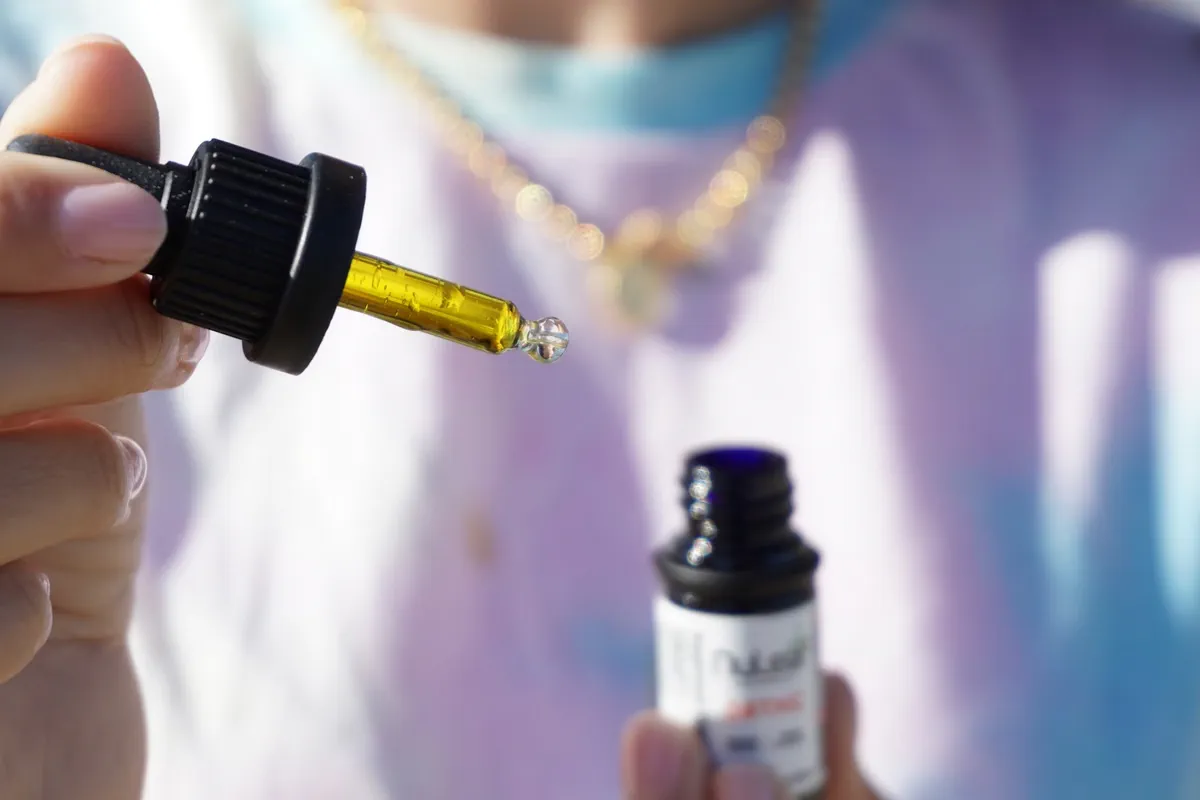
What is the difference between CBD and THC in cannabis?
Cannabidiol (CBD) and tetrahydrocannabinol (THC) are the two most well-known and abundant cannabinoids found in cannabis plants. While both interact with the body’s endocannabinoid system, they produce significantly different effects due to their distinct chemical structures and how they bind to cannabinoid receptors. THC is the primary psychoactive compound in cannabis, meaning it’s responsible for the “high” or euphoric feeling users experience. It achieves this by directly binding to CB1 receptors in the brain and central nervous system, which are heavily involved in mood, memory, and pain perception. This direct interaction can lead to altered sensory perception, increased appetite, and impaired cognitive function. In contrast, CBD is non-psychoactive, meaning it doesn’t produce a “high.” Instead of directly binding to CB1 receptors, CBD primarily interacts with them indirectly and can even modulate the effects of THC.
Furthermore, CBD and THC differ significantly in their potential therapeutic applications and legal status. THC has shown promise in managing conditions like pain, nausea, and muscle spasticity, but its psychoactive effects and potential for dependence can be limiting factors. Legally, THC remains heavily regulated in many parts of the world. CBD, on the other hand, has gained significant attention for its potential therapeutic benefits without the intoxicating effects. Research suggests CBD may have anti-inflammatory, analgesic, anti-anxiety, and anti-seizure properties, making it a subject of interest for treating a wide range of conditions. Due to its non-psychoactive nature and perceived safety profile, CBD has become more widely accepted and is often legally distinct from THC, with varying regulations depending on its source (hemp vs. marijuana) and THC content. This fundamental difference in psychoactivity and legal standing underscores the distinct nature of these two key cannabis compounds.
What is THC (Tetrahydrocannabinol)?
Tetrahydrocannabinol, most commonly known as THC, is the primary psychoactive compound found in cannabis plants. It’s one of over a hundred cannabinoids present in the plant, but it’s the one responsible for the “high” associated with marijuana use. THC interacts with the body’s endocannabinoid system, a network of receptors, enzymes, and endocannabinoids that plays a role in regulating various physiological processes such as mood, pain sensation, appetite, and memory. When THC enters the bloodstream, it binds to cannabinoid receptors, primarily CB1 receptors in the brain and central nervous system, mimicking the effects of naturally produced endocannabinoids and leading to altered mental and physical states.
The effects of THC can vary widely depending on factors such as the potency of the cannabis, the method of consumption (smoking, vaping, edibles), and the individual’s tolerance and body chemistry. Common effects include euphoria, relaxation, altered perception of time and space, increased appetite (“the munchies”), and impaired short-term memory and coordination. However, THC can also produce less desirable effects such as anxiety, paranoia, and increased heart rate, especially in higher doses or in individuals sensitive to its effects. Ongoing research continues to explore the therapeutic potential of THC for various medical conditions, while its recreational use remains a subject of legal and social debate in many parts of the world.
What is CBD (Cannabidiol)?
Cannabidiol (CBD) is a naturally occurring compound found in cannabis plants, distinct from tetrahydrocannabinol (THC), the psychoactive component known for producing a “high.” CBD is non-intoxicating and is derived primarily from hemp plants, which contain very low levels of THC. It interacts with the body’s endocannabinoid system, a complex network of receptors and neurotransmitters involved in regulating various physiological processes such as mood, pain sensation, sleep, appetite, and immune function. This interaction is believed to be the basis for many of the potential therapeutic benefits associated with CBD.
Unlike THC, CBD does not directly bind to the primary cannabinoid receptors (CB1 and CB2) in the brain. Instead, it influences the endocannabinoid system indirectly, potentially by preventing the breakdown of the body’s own endocannabinoids or by interacting with other receptors. This different mechanism of action contributes to its non-psychoactive nature and has led to significant interest in its potential wellness applications. CBD is available in various forms, including oils, tinctures, edibles, topicals, and capsules, catering to diverse preferences and needs.
How are CBD and THC different?
CBD (cannabidiol) and THC (delta-9-tetrahydrocannabinol) are both naturally occurring compounds found in cannabis plants, yet they possess distinct properties and effects. The most significant difference lies in their psychoactivity. THC is well-known for its intoxicating effects, binding to cannabinoid receptors in the brain to produce a “high,” characterized by altered perception, mood changes, and impaired cognitive function. In contrast, CBD is non-psychoactive, meaning it doesn’t induce euphoria or alter one’s mental state. Instead, CBD interacts with the endocannabinoid system differently, often modulating the effects of THC and offering potential therapeutic benefits without the associated intoxication.
Beyond psychoactivity, CBD and THC also differ in their potential therapeutic applications and side effects. THC has shown promise in pain relief, nausea reduction, and appetite stimulation, but its use can be accompanied by side effects like anxiety, paranoia, and impaired memory. CBD, on the other hand, is being studied for its potential in reducing anxiety, inflammation, seizures, and pain, often with fewer reported side effects, such as drowsiness or changes in appetite. Furthermore, the legal status of CBD and THC varies significantly across jurisdictions, largely due to THC’s psychoactive nature, while CBD derived from hemp (containing very low levels of THC) is often more widely legal.
What are terpenes?
Terpenes are aromatic compounds found in a wide variety of plants, contributing to their distinct scents and flavors. Often associated with cannabis due to its high concentration, terpenes are also abundant in other plants like pine trees, lavender, and citrus fruits. These organic compounds are responsible for the characteristic aromas we perceive, playing a crucial role in the natural world. In plants, terpenes can act as a defense mechanism against pests and predators, attract pollinators, and even aid in the plant’s immune system.
Beyond their ecological roles, terpenes are gaining recognition for their potential therapeutic properties. Many terpenes are bioactive, meaning they can interact with the human body. They are the primary components of essential oils and are utilized in aromatherapy for their purported effects on mood and well-being. Research suggests that specific terpenes may possess anti-inflammatory, analgesic, anti-anxiety, and other beneficial properties. Furthermore, in cannabis, terpenes are believed to work synergistically with cannabinoids like THC and CBD, enhancing their effects through a phenomenon known as the “entourage effect.” This has led to increased interest in understanding and utilizing the diverse range of terpenes for various applications.
การผสมผสานของสาร CBD, THC และเทอร์พีนในกัญชา มีความแตกต่างกันไปในแต่ละสายพันธุ์กัญชา ซึ่งส่งผลต่อสรรพคุณและผลกระทบที่เกิดขึ้น การทำความเข้าใจและให้ความรู้เรื่องกัญชา เกี่ยวกับสารประกอบเหล่านี้จะช่วยให้ผู้บริโภคสามารถเลือกใช้กัญชาได้อย่างเหมาะสมและปลอดภัย
The Relationship Between CBD, THC and Terpenes in Cannabis
The cannabis plant is a complex matrix of compounds, with cannabinoids like THC and CBD being the most well-known. However, the therapeutic and psychoactive effects of cannabis are not solely determined by these two. Terpenes, the aromatic molecules responsible for the distinct scents of different cannabis strains, play a crucial role in modulating the overall experience. These terpenes interact synergistically with cannabinoids, a phenomenon known as the “entourage effect.” This interaction can enhance the desired effects of cannabinoids, such as pain relief or relaxation, while potentially mitigating unwanted side effects like anxiety.
The interplay between CBD, THC, and terpenes is intricate. For instance, certain terpenes may enhance THC’s binding to cannabinoid receptors, increasing its psychoactivity, while others might counteract it. Similarly, terpenes can influence how CBD interacts with the body’s endocannabinoid system, potentially boosting its anti-inflammatory or anxiolytic properties. This complex relationship underscores the importance of considering the full spectrum of compounds in cannabis, rather than focusing solely on THC or CBD content, to achieve specific and tailored effects.
These three compounds work together to produce complex effects on the human body and mind. CBD can counteract the effects of THC, while Terpenes enhance the therapeutic effects of both CBD and THC.
However, both CBD and THC have multiple medical benefits and can be used together to synergize. Medical cannabis use should be under the supervision of a medical professional to ensure proper diagnosis and treatment.
Currently, cannabis laws vary from country to country. Some countries allow both medical and recreational cannabis use, while others still prohibit it. It is important to research and follow local laws.
Cannabis has the potential to be used for both medical and recreational purposes, but it should be used responsibly and under the supervision of a professional to maximize the benefits and minimize the risk of side effects.
Disclaimer: This article is intended to provide information to consider terpene alternatives and provide knowledge about cannabis for therapeutic and health purposes. It is not intended to replace medical advice. If you are stressed or anxious, consult your doctor or other health professional for appropriate medical advice and treatment.
References for information and illustrations in this article
- WWMHW website (wwmhw.com/)
- Photo website (freepik.com/)
- Photo website (unsplash.com/)